Patterns in Mobile Accessibility Features Driving Participation in Provincial Digital Entertainment Venues
Written by Zara Vogel · Oct 29, 2026
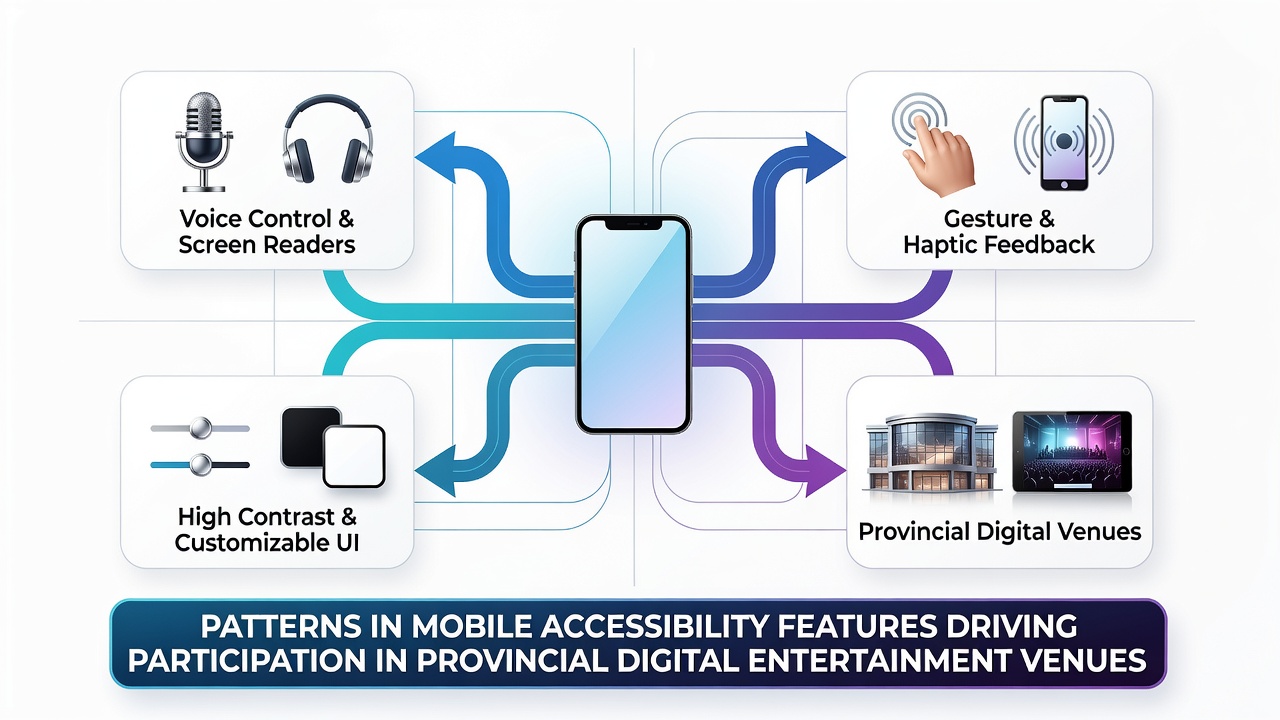
Patterns in Mobile Accessibility Features Driving Participation in Provincial Digital Entertainment Venues
Provincial digital entertainment venues across Canada have integrated mobile accessibility features that align with standards set by the Accessible Canada Act, and these tools now shape how participants engage with online platforms in regions such as Ontario, British Columbia, and Quebec. Data from regulatory bodies indicate that features including voice-activated controls, screen reader compatibility, and dynamic text resizing correlate with higher session durations among users who require adaptive interfaces, while participation metrics tracked through October 2026 show steady growth in provinces that mandate compliance testing for mobile applications.
Researchers at Canadian institutions have documented patterns where venues adopting real-time captioning for live dealer streams and haptic feedback for game alerts experience broader uptake from individuals with hearing or visual impairments, and these adaptations connect directly to provincial licensing requirements that emphasize inclusive design. Observers note that integration of such elements often occurs during platform updates, with developers prioritizing WCAG 2.1 guidelines to meet both federal accessibility targets and regional entertainment regulations.
Key Accessibility Features and Their Adoption Patterns
Voice command systems allow users to navigate menus, place selections, and adjust settings without touch input, and provincial operators report that implementation of these tools has expanded since 2024 as part of broader mobile optimization efforts. Adjustable color contrast modes, which shift between high-visibility palettes based on user preferences, pair with font scaling options that maintain layout integrity across devices, creating consistent experiences regardless of screen size or orientation.
Screen reader support extends to dynamic content such as game outcomes and balance updates, while closed captioning appears in video-based entertainment segments. Data compiled by the Canadian Radio-television and Telecommunications Commission reveals that venues incorporating these features see measurable increases in active accounts from users who previously encountered barriers on standard interfaces, and patterns emerge when comparing adoption rates between provinces with strict enforcement versus those with voluntary guidelines.
Regional Variations in Feature Implementation
Ontario venues emphasize integration with the provincial iGaming framework, where accessibility audits occur at regular intervals, whereas British Columbia platforms focus on partnerships with local disability advocacy groups to refine haptic and audio cues. In Quebec, operators align mobile features with French-language standards, ensuring that voice synthesis and captioning function seamlessly in both official languages, and this bilingual approach contributes to participation stability across demographic groups.
Studies from university research centers highlight that provinces investing in ongoing user testing achieve more refined feature sets, with feedback loops informing iterative improvements that address specific needs like gesture simplification for motor impairments. These efforts connect to national benchmarks that encourage cross-provincial knowledge sharing on effective mobile adaptations.
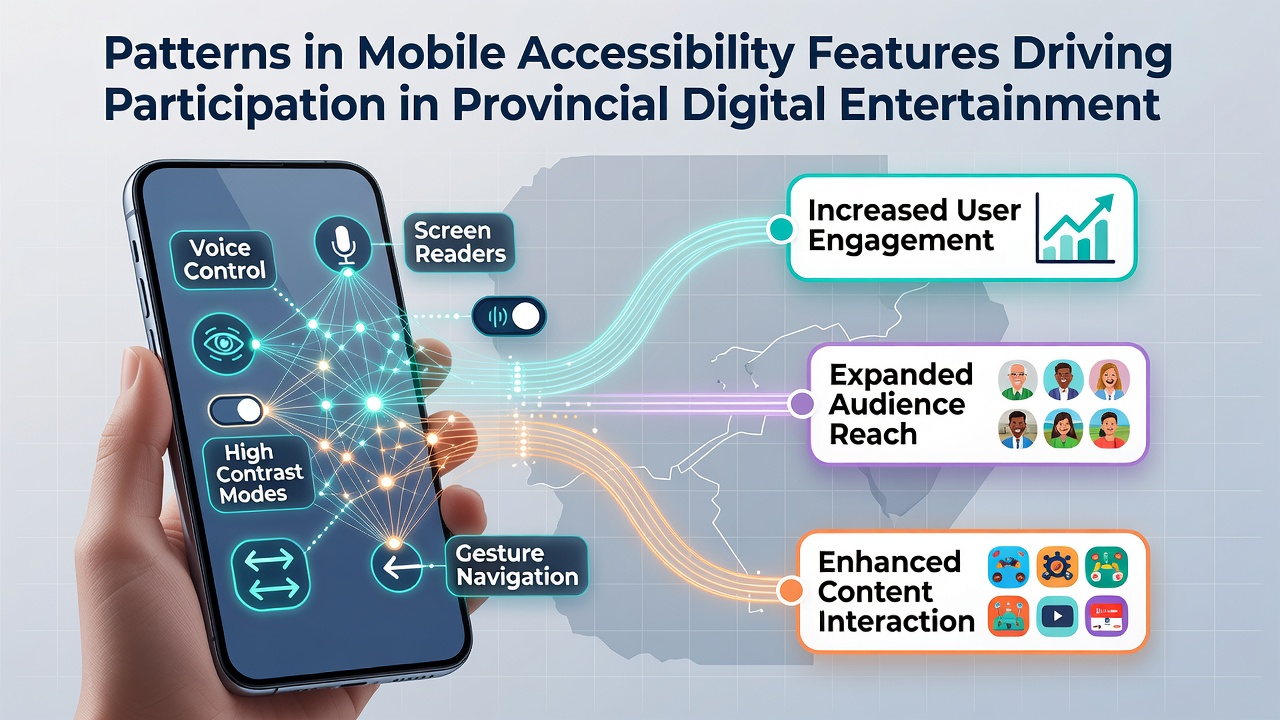
Data Trends and Participation Metrics Through October 2026
Participation figures collected by provincial regulators demonstrate that venues with comprehensive mobile accessibility suites record elevated engagement levels compared to those with minimal adaptations, and this trend holds across multiple entertainment categories including digital table games and slot-style offerings. Metrics indicate that users accessing platforms via mobile devices with accessibility enabled account for a growing share of total activity, particularly in jurisdictions that tie licensing renewals to inclusion performance indicators.
Analysts tracking October 2026 data observe that features such as customizable notification systems and simplified navigation trees reduce session abandonment rates, while integration with external assistive technologies like switch devices expands reach to users with severe mobility limitations. Patterns suggest that early adopters of these tools establish competitive positioning within their provinces, though outcomes vary based on the depth of testing and user feedback incorporation.
Technical Standards and Future Alignment
Provincial digital entertainment operators reference both Canadian accessibility legislation and international guidelines when developing mobile features, creating frameworks that support ongoing evolution in response to emerging technologies. Compatibility testing now includes scenarios involving multiple assistive tools operating simultaneously, ensuring that voice commands function alongside screen magnification without conflicts.
Industry reports from organizations such as the Canadian Gaming Association document how venues refine these systems through phased rollouts, with initial deployments focusing on core navigation before expanding to specialized entertainment elements. This structured approach allows operators to monitor participation shifts and adjust implementations accordingly, maintaining alignment with regulatory expectations.
Conclusion
Patterns in mobile accessibility features continue to influence participation levels in provincial digital entertainment venues, with documented correlations between specific adaptations and user engagement across Canadian regions. As of October 2026, ongoing refinements driven by regulatory standards and user data sustain these developments, positioning accessibility as an integral component of platform design rather than an add-on consideration.